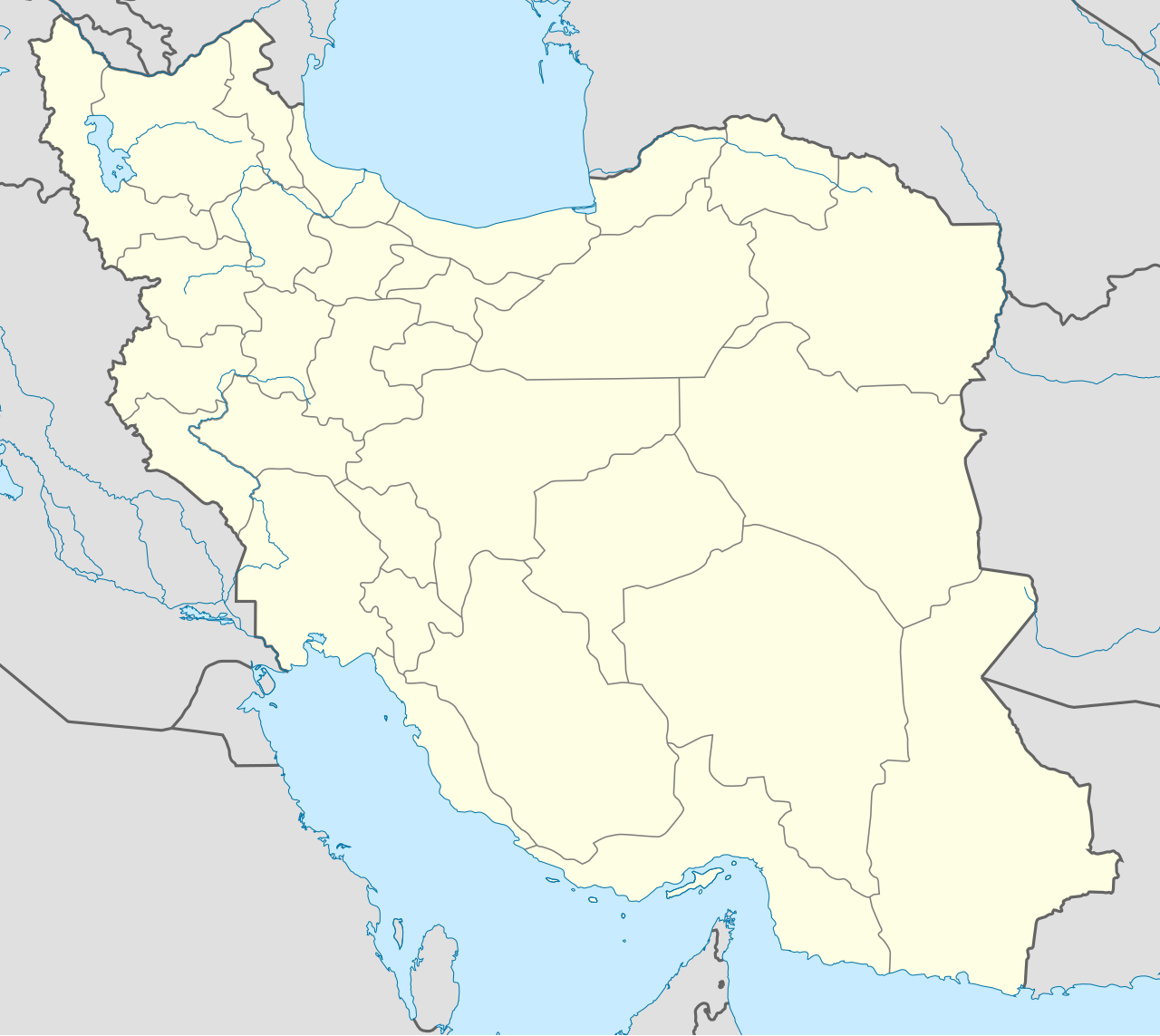
Why 'Presidente Irã Ataque' Context Leads to Patagonia Guide: Unraveling an Unexpected Search Journey
The digital landscape often presents us with intriguing, sometimes baffling, search result anomalies. One such peculiar journey emerges when the search term
'presidente irã ataque', a phrase deeply rooted in geopolitical affairs and global tensions, surprisingly culminates in a guide to the serene, untamed wilderness of Patagonia. At first glance, the connection seems non-existent, a stark contrast between high-stakes international politics and the majestic peaks of Torres del Paine. However, by delving into the nuances of search algorithms, human psychology, and the broad appeal of escape, we can begin to understand this unexpected digital pathway.
The core of this phenomenon lies not in a direct correlation – as explicitly noted in numerous web contexts, there is no inherent link between specific news about a "presidente irã ataque" and the geography or culture of Patagonia. Instead, this article aims to explore the indirect threads, the subtle inferences, and the algorithmic leaps that might lead an interested user from a search query about a political leader and a potential international incident to comprehensive travel advice for one of Earth's most breathtaking natural wonders.
Decoding the Disconnect: 'Presidente Irã Ataque' and Patagonia
To genuinely grasp why
'presidente irã ataque' might lead to Patagonia, we must first acknowledge the profound disconnect. The phrase itself translates directly to "Iran president attack," immediately conjuring images of international news, diplomatic crises, or military actions. Such a term typically triggers results from reputable news organizations, analytical geopolitical journals, and governmental statements. There is no historical, cultural, or logistical link between any specific incident involving an "Iran president attack" and the remote, sparsely populated region of Patagonia, spanning Argentina and Chile.
As various sources confirm, web content specifically focused on Torres del Paine National Park, for instance, is entirely dedicated to travel, hiking, wildlife, and natural beauty. These guides offer practical advice on itineraries, gear, accommodations, and the park's unique ecosystems. They contain absolutely no information, context, or mention of geopolitical events, particularly those as specific as a "presidente irã ataque." This fundamental separation is crucial for understanding that any perceived connection is a result of something beyond direct textual relevance. The underlying reality is that
Torres del Paine is unrelated to 'Presidente Irã Ataque' in web context. We are therefore exploring the *mechanisms* that might *create* an indirect path, rather than a direct semantic one.
The Allure of Escape: Why Global Events Might Point to Remote Wilderness
Perhaps one of the most compelling psychological reasons for this digital jump lies in the human inclination to seek solace, distraction, or even dreams of escape during times of stress or global uncertainty. When faced with news of a potential "presidente irã ataque" or similar geopolitical tensions, individuals often experience heightened anxiety. In such moments, the mind naturally gravitates towards antithetical concepts: peace instead of conflict, vastness instead of confinement, nature instead of urban turmoil.
Patagonia, with its colossal glaciers, jagged mountain peaks, pristine fjords, and expansive steppes, represents the epitome of untouched wilderness. It's a place where the grandeur of nature dwarfs human concerns, offering a profound sense of perspective and tranquility. For someone grappling with the gravity of an "Iran president attack" headline, the subconscious might interpret this as a signal to search for content that offers a mental reprieve. Travel guides to remote, wild places like Patagonia become attractive as a metaphorical or literal escape hatch from the anxieties of the news cycle. It's a journey from the urgent and man-made to the timeless and natural, a universal human response to stress.
Navigating the Digital Labyrinth: How Search Engines Might Bridge Gaps
Beyond psychological factors, the intricate workings of modern search engine algorithms could play a significant role in creating this unexpected journey. While direct textual relevance is paramount, algorithms also consider a myriad of other signals:
*
User Search History and Intent: A user who frequently searches for international news, but also occasionally browses travel destinations, might find their results influenced. If their profile indicates a strong interest in "global topics" (which includes geopolitical news), a search for "presidente irã ataque" might intersect with their broader interest in "global travel," leading to results that bridge these seemingly disparate fields.
*
Semantic Connections and Related Entities: Search engines are increasingly sophisticated at understanding concepts beyond exact keyword matches. While "presidente irã ataque" doesn't directly mention Patagonia, broader categories like "major global events" might be indirectly linked to content on "places people visit to de-stress" or "remote destinations for reflection."
*
Website Authority and Content Breadth: Many large news outlets or general interest websites that report on geopolitical events also feature extensive travel sections. If a search algorithm prioritizes a specific domain for authority, it might surface travel content from that domain even if the immediate query is unrelated. For example, a user looking for news might land on a reputable site that *also* happens to have a popular Patagonia guide, and through internal linking or related searches suggested by the platform, the user might transition.
*
Serendipitous Discovery via "People Also Ask" or Related Searches: The "People Also Ask" boxes or "Related Searches" suggestions often found on search engine results pages can create unexpected paths. While it's unlikely to see "Patagonia travel" directly next to "presidente irã ataque," a chain of related queries could lead there: e.g., "Iran news" -> "global instability" -> "places for quiet reflection" -> "best remote destinations" -> "Patagonia travel guide."
*
Emergent Trends and Collective Behavior: If a segment of the online population concurrently searches for both geopolitical news and aspirational travel, machine learning models could pick up on this indirect correlation, subtly nudging results in unexpected directions. This helps explain
how Torres del Paine appears for 'Presidente Irã Ataque' searches, even without direct textual links. It's about the broader context of user behavior on the web.
Patagonia: A Sanctuary Far from Geopolitical Storms
Regardless of the digital pathway that leads a searcher from
'presidente irã ataque' to Patagonia, the destination itself offers a profound contrast and an undeniable allure. Patagonia is a realm of superlatives, a place where nature reigns supreme and human concerns often fade into insignificance.
*
Torres del Paine National Park: Located in Chilean Patagonia, this park is perhaps its most iconic jewel. Known for its granite spires (the 'Torres' and 'Cuernos del Paine'), glistening glaciers, and vibrant turquoise lakes, it's a trekkers paradise. The "W Trek" and the full "O Circuit" attract adventurers worldwide, offering unparalleled views of ancient forests, diverse wildlife like guanacos and pumas, and breathtaking panoramas at every turn.
*
Glaciar Perito Moreno: In Argentine Patagonia, this massive, advancing glacier in Los Glaciares National Park is a UNESCO World Heritage site and one of the few glaciers in the world that is still growing. Visitors can witness dramatic ice calvings – huge chunks of ice breaking off and crashing into the Lago Argentino – from viewing platforms or boat tours, a truly humbling experience.
*
Ushuaia, The End of the World: The southernmost city in the world, Ushuaia serves as a gateway to Antarctica and offers incredible opportunities for exploring Tierra del Fuego National Park, sailing the Beagle Channel, and experiencing subpolar forests and wildlife.
*
Wildlife and Biodiversity: Beyond the dramatic landscapes, Patagonia is home to a rich array of wildlife. From majestic condors soaring overhead to elusive pumas, guanacos (a type of llama), penguins, and whales along its coastlines, it's a haven for nature enthusiasts and photographers.
*
Adventure and Serenity: Whether it's multi-day trekking, horseback riding across vast estancias, kayaking among icebergs, or simply marveling at the star-filled night sky, Patagonia offers a blend of exhilarating adventure and profound serenity, a world away from any talk of "presidente irã ataque."
Planning a trip to Patagonia requires preparation. The best time to visit is during the Southern Hemisphere's summer, from November to March, when the weather is milder and daylight hours are longer. Essentials include waterproof and windproof layers, sturdy hiking boots, and a good camera to capture the unparalleled beauty. Most importantly, it requires an open mind and a willingness to be completely immersed in one of the planet's last true wildernesses.
In conclusion, the journey from searching "presidente irã ataque" to exploring a Patagonia guide is a fascinating testament to the interconnectedness of our digital world and the resilience of the human spirit. While there's no direct logical link between geopolitical headlines and the Patagonian wilderness, the indirect paths — fueled by our psychological need for escape, the sophisticated algorithms of search engines, and the broad appeal of travel content — often create these unexpected and intriguing associations. Ultimately, whether driven by curiosity or a deeper yearning for tranquility, Patagonia stands ready as a timeless sanctuary, offering a breathtaking counterpoint to the complexities of the world, providing a much-needed guide to serenity amidst any perceived global storm.